

Decades ago in college, I have rememants of writting such in journals, notepads, paper scratch. This piece was written in an old journal from the year 2000, giving you a picture of my thinking at 20 years old. I felt I have always been a thinker, deep thought especially in college at the time as I studied business with hopes and dreams of being a real sucess in business like those wrote about below. A piece of history originally titled “Being a Business Leader in the 21st Century“.
Take a journey through my thinking at 20 years old. Please note I left everything as is, meaning I didnt have AI rewrite it, although I was tempted to have A.I reform my sentences to be clearer but that would take away the authencity to my writing from back then. Alot if not all of what I wrote back then I still agree with in regards to my values and how I see the world.
The Changing Landscape of Business
The 21st century is defined by change, innovation, and the collaboration of creative minds pursuing a common goal. This goal centers around business, the pursuit of wealth and influence, and the creation of products or services that are both unique and affordable for consumers, while maintaining the highest standards of quality.
In the United States, business is highly competitive and demanding, making it one of the most challenging career paths. Success in this field requires a deep appreciation for quality, a focus on people, and a continuous drive to improve living standards for all. Today, business and e-commerce are essential in achieving these aims, but understanding the world of business, innovation, and technology is no simple task. The truth is, there is no single answer; success depends on one’s beliefs and vision for the future.
Visionary Leaders and Their Impact

Several notable leaders exemplify the power of vision in business.
Walt Disney, for example, dreamed of bringing joy and entertainment to the world, and his legacy now lives on in a corporation worth hundreds of billions, still growing and expanding.
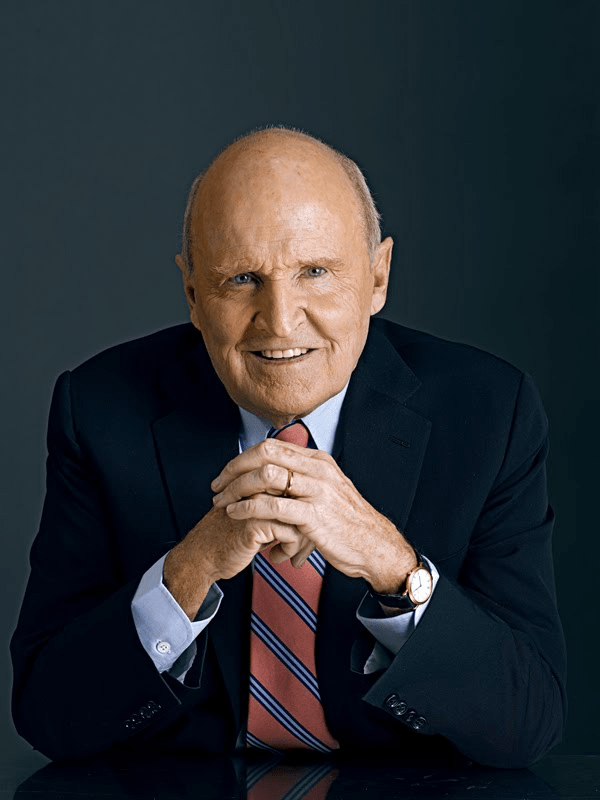
Similarly, Jack Welch, former CEO of General Electric, envisioned providing quality products for homes, offices, and businesses. General Electric continues to be one of the most diverse companies, representing both innovation and quality. These companies make a significant difference in people’s lives, encouraging others to broaden their perspectives and discover the world of business.
Personal Growth and Learning
My experiences at DeVry have taught me much about life, education, and the pursuit of happiness. While happiness changes as we age, growing older has been rewarding, as I learn what it takes to succeed in business. Qualities such as dedication, hard work, and savvy are essential.

DeVry has not only taught me about business but also about interacting with people. I have developed a passion for helping others, even though not everyone shares this philosophy. There are individuals I respect, such as Dean Inouye, who exemplifies respect and integrity—qualities I aspire to emulate. In business, toughness is necessary, but so is kindness. Success requires innovation, hard work, passion, risk-taking, and the willingness to challenge conventions.
Inequality and the Business Environment
Research indicates that equality in business is more akin to democracy, filled with bureaucracy that can prevent dedicated and intelligent individuals from making decisions. True equality does not exist in companies or in life; differences in status, wealth, and power are always present.
The United States promotes equality and freedom of speech, but these ideals often come at a significant cost, and their benefits are not uniformly distributed. Freedom of speech, for instance, can have profound consequences, as seen in Martin Luther King Jr.’s “I Have a Dream” speech, which transformed societal attitudes but did not eradicate inequality. In the workplace, inequality persists, with status, income, and appearance creating divisions. To overcome these barriers, one must strive to be smarter, sharper, and more prepared than others.
Social Classes and Their Characteristics
Society is divided into five classes, with most people falling into the middle or upper middle class:
- Lower Class: Poor ($0 – $20,000), mental illness, homelessness, street walkers, strippers, high school dropouts.
- Middle Class: Moderate wealth ($20,000 – $35,000), partial mental illness due to stress, living with family or in modest accommodations, white-collar or blue-collar jobs, some college education.
- Upper Middle Class: Upper moderate income ($35,000 – $65,000), low mental illness due to stress, property ownership, white-collar jobs, full college education including advanced degrees.
- Upper Class: Income ($65,000 – $100,000), moderate mental health, owning high-value property, primarily white-collar professionals with advanced education.
- Affluent: Income ($100,000 and above), rare mental illness, ownership of luxury assets, entertainers, entrepreneurs, and highly successful individuals, partial or full college education.
Achieving a middle or upper middle-income lifestyle is essential for prosperity. Anything below this level makes survival difficult, as business success relies on competent, intelligent individuals.
Principles of Successful Business Leadership
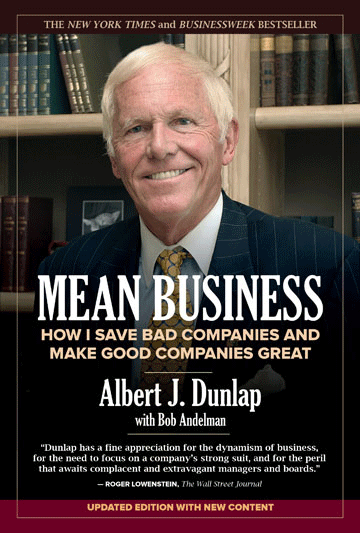
Different leaders employ varied strategies to run successful companies. Al Dunlap, known as “Chainsaw Al,” is renowned for restructuring companies and operates by these principles: selecting great management, controlling costs, choosing effective strategies, understanding the company, and knowing the business’s core purpose.
Jack Welch, in contrast, focuses on building value by investing in products, exploring new strategies, and expanding the company’s reach, as demonstrated by General Electric’s acquisition of NBC. Both are considered among America’s toughest bosses, each with distinct approaches to leadership.
The Importance of International Business
International business offers unique opportunities, allowing companies to share and experience different cultures. While this can lead to greater power and market control, it also presents challenges. Adapting products and business culture to fit foreign markets is difficult, as every country has its own values and beliefs. Success in international business depends on gathering information, understanding culture, and respecting local customs. Adapting to these differences is crucial for thriving in global markets.
Disney: A Model of Excellence
Disney is a company that embodies excellence through outstanding customer service, attention to detail, and care for its employees. Walt Disney dared to dream, and his vision continues to bring happiness to millions. Leaders like Michael Eisner and Jeffrey Katzenberg have shaped Disney into a respected and passionate organization. I aspire to work for Disney, and my plan includes gaining experience, starting in an administrative role, working hard, building relationships, expressing ideas, showing initiative, pursuing advancement, and striving to become a member of the elite.
- Gain experience to impress Disney
- Secure an entry-level administrative position
- Work hard and build valuable relationships
- Express ideas and opinions about the business
- Show initiative
- Overcome obstacles to success
- Apply for higher positions
- Do whatever it takes to succeed
Business, Finance, and Personal Fulfillment
In today’s uncertain financial and career landscape, business and finance are pressing concerns. My goal is to help guide others toward a fulfilling life where career and money do not dictate happiness. Extensive research in business and finance has shown that there are no guarantees in either field. As society evolves, maintaining wealth becomes increasingly difficult, and the focus on consumerism often overshadows values like family and happiness. Despite these challenges, pursuing a balanced life can lead to lasting happiness and tranquility.
Success and greatness are universal aspirations, and financial stability is often a part of this journey. The key is to remember that money is a means to live, not an end in itself. It provides for necessities and comforts but should not be the sole focus. This book offers ideas for managing money, life, and career, emphasizing the importance of balance and happiness.

 Joe Meyers Adventures