

For many Americans, the gradual shift toward an authoritarian government may have gone unnoticed. Increasingly, there are signs that the U.S. seeks to exert greater control over its citizens.

Throughout history, humanity has struggled with vulnerability and susceptibility to control, often manipulated through money and technology. These tools have long been used to influence and regulate societies.
The Role of Technology and Artificial Intelligence
Artificial Intelligence (AI) is a concept that is no longer new to most people. Decades ago, warnings were issued about the potential dangers of AI, but many dismissed these concerns as mere fantasy. Now, AI technologies permeate our lives, from mobile phones to televisions and even our workplaces.
The emergence of deep fakes, facilitated by powerful AI companies like Elon Musk’s GROK, has made distinguishing reality from fabrication increasingly difficult.

Deepfakes pose significant risks, particularly to women, as malicious actors can create and distribute fake images online, potentially damaging reputations and careers. Although such actions are illegal, courts often side with AI companies and powerful elites, leaving individuals with little recourse.

Data Mining and Social Media
Another form of control comes from the massive amounts of personal data collected daily by data mining operations and social media platforms.
Many users unknowingly sign away their rights, giving companies access to their images, words, and personal information.
Even deleted posts can resurface, impacting job opportunities and background checks.
The reality is that once something is online, it is never truly erased and can be used against individuals for years to come, affecting opportunities such as home loans, apartment rentals, and car loans.
The Impact of Surveillance and AI on Society
AI is increasingly used to monitor individuals, raising concerns about mass surveillance.
The television series “Person of Interest” explored these issues, illustrating how surveillance and AI could be wielded to control society. Over the past decade, surveillance and control mechanisms have evolved rapidly, coinciding with shifts in political leadership and societal attitudes.

Immigration Enforcement and Racial Disparities
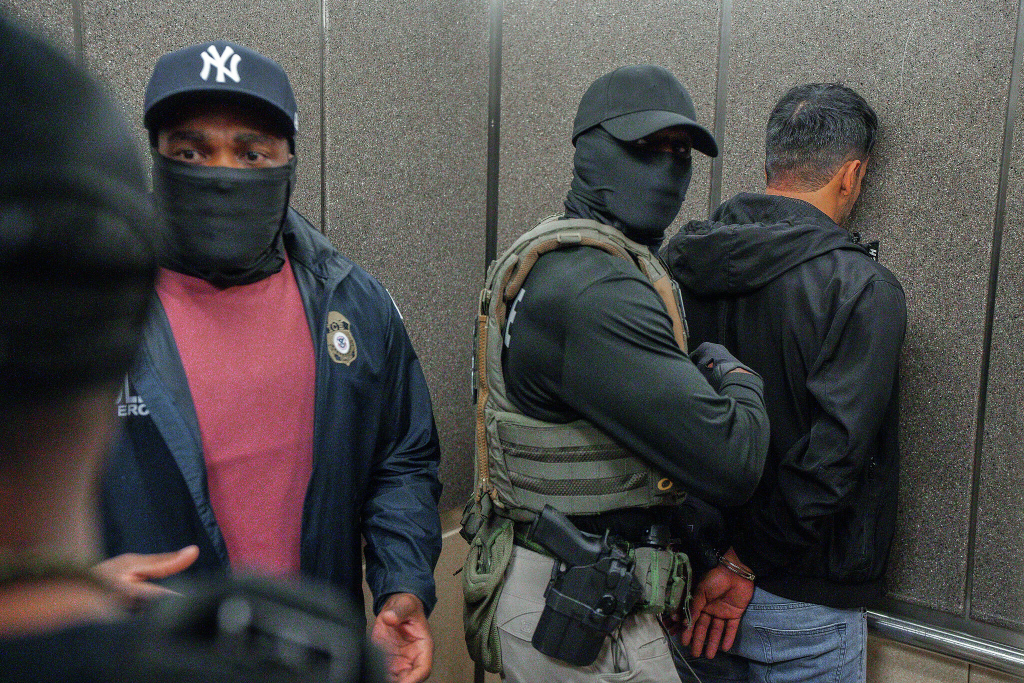
The expansion of private paramilitary forces like ICE, particularly under recent administrations, has led to concerns about racial profiling and the treatment of migrants.
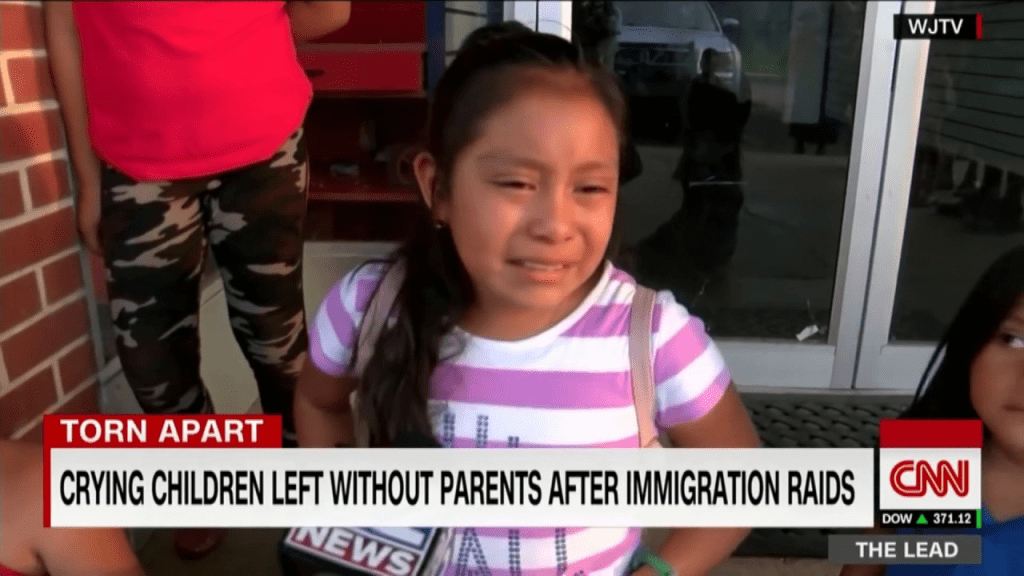
While many may not see ICE as a threat, racial minorities often face increased scrutiny and risk of detention or deportation, sometimes under questionable circumstances.
The lack of transparency in for-profit prisons and the autonomy granted to ICE agents further exacerbate these issues.
Failures of Due Process and Human Rights
Trust in government officials and law enforcement is further eroded when due diligence is neglected. Unlike standard police procedures that require proof and proper process, ICE agents often operate with fewer constraints, sometimes entering homes without warrants and acting on the authority granted by leadership.

Instances like the killing of protestor Renee Good, who was labeled a domestic terrorist and denied medical attention, highlight the troubling disregard for human life and due process.
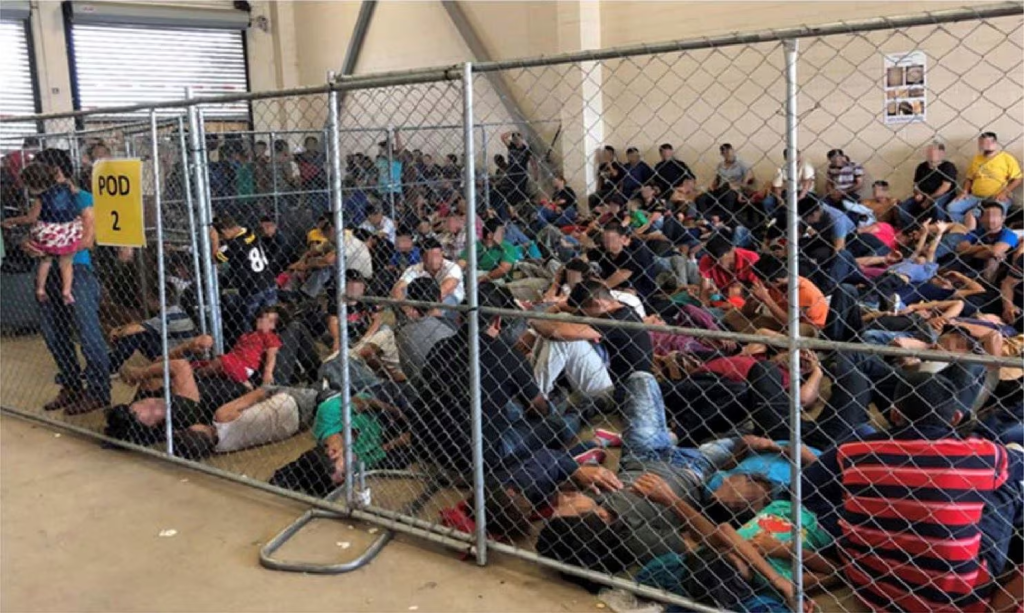
The treatment of migrants in detention is often inhumane, drawing unfavorable comparisons to the care given to animals.
Societal Indifference and the Dumbing Down of America
There is a growing sense that American society has lost its capacity for critical thinking and compassion. Conspiracies, misinformation, and manipulation by those in power contribute to a culture of fear, uncertainty, and submission.

Billionaires and political leaders work to maintain control, convincing the public that such dominance is for their own benefit.
Living in Fear and the Global Perspective
People in the U.S. increasingly live in fear—fear of losing jobs, homes, and even their lives. These anxieties are compounded by policies inspired by more overtly totalitarian regimes around the world.
As a result, many citizens and non-citizens seek to escape the current climate of oppression and uncertainty, leaving the U.S. in search of safety and stability elsewhere.
Faith, Hope, and the Call for Compassion
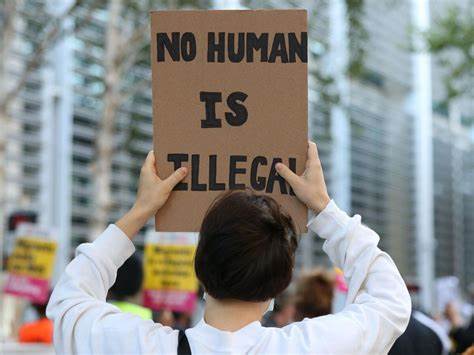
Despite these challenges, there remains hope for change. Prayer and compassion are encouraged, not only for personal well-being but also for the betterment of society. Immigrants, whether documented or undocumented, are not the enemy; instead, citizens themselves can be more disruptive than those seeking a better life. The American dream may be fading, but perseverance and kindness can help revive it.
Conclusion
Love for one’s neighbor and enemies alike is a principle rooted in faith and humanity.

Exhaustion and frustration with current events are understandable, but hope persists that this period of turmoil will eventually end.
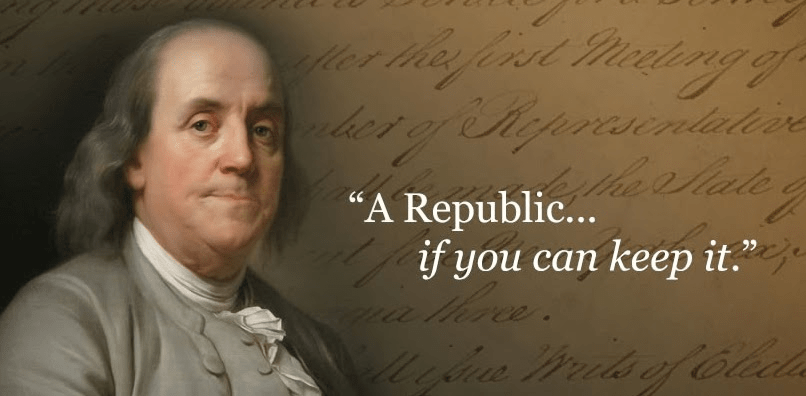
As Benjamin Franklin once said:
“A Republic, if you can keep it.
It is up to everyone to pray, act with kindness, and strive for a more just and compassionate society.
Until next time, thank you for listening.
God Bless!

 Joe Meyers Adventures