
The aftermath of Suicide is well displayed in media if you have ever watched the television series “Reservation Dogs” and “The Bear” where two the characters the television series center around is where Daniel reflecting the high rates of suicide in Indigenous communities. Whereas Mikey in the Bear also commits suicide which sets the tone for both shows, beginning with Trauma.
Two acclaimed series, FX’s “Reservation Dogs” and Hulu’s “The Bear,” each address this sensitive subject through distinct tonalities and cultural frameworks. “Reservation Dogs,” created by Sterlin Harjo and Taika Waititi, is notable for its authentic depiction of Indigenous life in rural Oklahoma. Conversely, “The Bear,” created by Christopher Storer, centers on turbulence and camaraderie within a family-run restaurant in Chicago. Both series have received critical acclaim for their candid exploration of grief, mental health, and community, especially as these themes intersect with the topic of suicide.
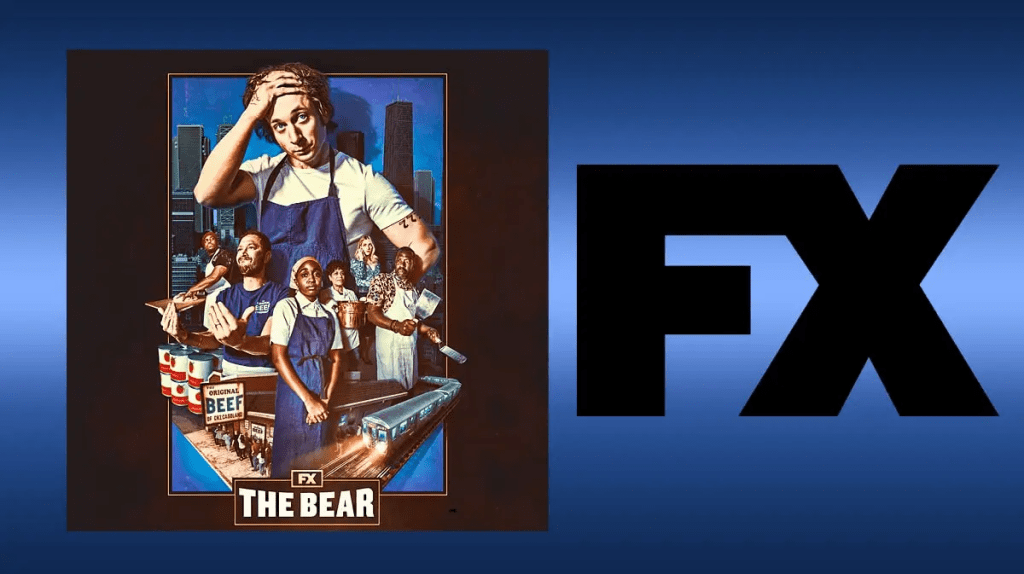
For those not familiar with the two shows, I encourage you get caught up, but here is a small synopsis.
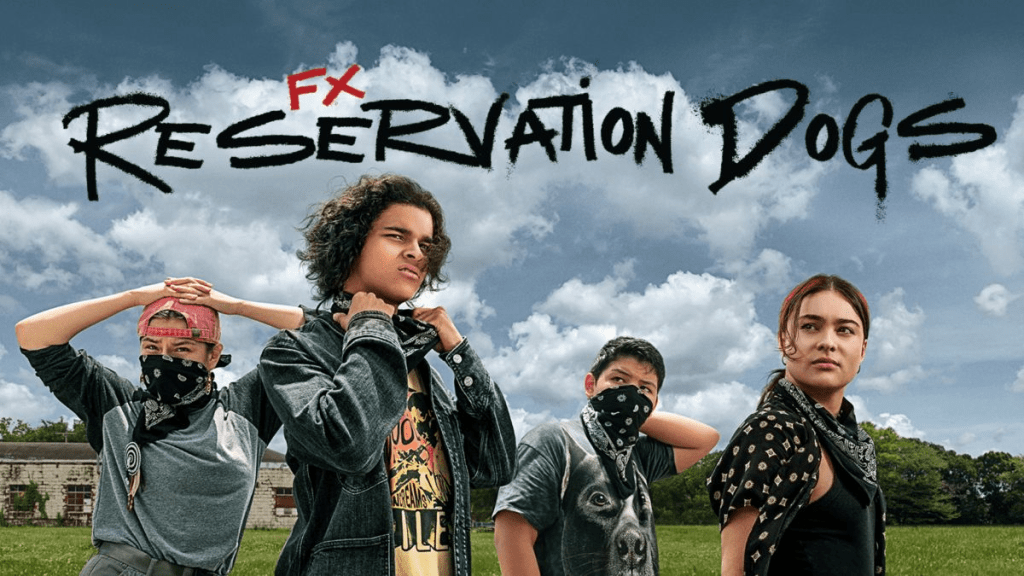
“Reservation Dogs” follows four Indigenous teenagers—Bear, Elora, Cheese, and Willie Jack—as they navigate adolescence on a rural Oklahoma reservation. The show is groundbreaking in its all-Indigenous cast and crew, offering a perspective rarely seen on mainstream television. The specter of suicide looms in the story from the start: the inciting incident for the group’s actions is the loss of their close friend Daniel, who died by suicide prior to the events of the series.
“The Bear” is set in the frenetic environment of a Chicago sandwich shop, inherited by Carmen “Carmy” Berzatto after his brother Michael’s suicide. The show’s protagonist is a talented young chef who returns from the world of fine dining to rescue the failing family business. Michael’s death is the catalyst for the series, infusing every episode with a sense of urgency, grief, and unresolved pain.
What I found about these two shows comforting in a way is how these two shows tackle the complexities of Suicide and the aftermath of those situations, often filled with rawness, emotion, sadness, anger, guilt and slew of the other emotions, they completely wreak their friends and loved one. I forces me to think and self-reflect on what if I was too…you know, as in my mind my thought process is my family and friends would simply just move on, I mean they would have to eventually as I would want anyone to hang on. Although I have never known anyone who committed suicide, it’s often a subject other shows and media have tried to tackle, remembering the film Girl Interrupted, The Virgin Suicides and I am sure there are many more examples.
What I find interesting in the media is you rarely see the aftermath of a suicide, although Hollywood can be quite graphic, so much so the act of suicide is something that is now not meant to be shown out of fear that people will get ideas.
Character Reactions and Grieving
Daniel’s absence is a haunting presence throughout the show, especially in the first season. The pain of his death ripples through each character in unique ways:
- Bear often experiences visions of a spirit guide, who humorously but poignantly helps him grapple with the pain and confusion of loss. Bear’s struggle to understand Daniel’s decision reflects the confusion and survivor’s guilt commonly felt by those left behind.
- Elora is perhaps the most visibly affected, carrying immense grief and anger. Her drive to leave the reservation for California is rooted in a desire to escape the environment she associates with loss and despair.
- Willie Jack expresses her grief through anger and a protective instinct toward her friends, leading to moments of lashing out and attempts to control the uncontrollable.
- Cheese processes loss quietly, through observation and a gentle desire to heal those around him.
The show does not sensationalize Daniel’s death. Rather, his absence is a thread running through the characters’ lives, shaping their decisions, relationships, and hopes for the future.
Portraying Grief and Guilt
Unlike “Reservation Dogs,” “The Bear” immerses viewers in the chaotic aftermath of suicide, where every character is frayed at the edges:
- Carmy is wracked with guilt and self-doubt, questioning whether he could have prevented Michael’s death. His perfectionism and relentless drive are both a response to and an escape from his grief.
- Sugar (Natalie), Carmy’s sister, struggles silently, supporting her brother and the business while managing her own emotions.
- Richie, Michael’s best friend, exhibits anger and denial, often lashing out as he tries to make sense of the loss.
The show is relentless in its portrayal of the messiness of grief. Scenes are often stress-inducing and chaotic—mirroring the characters’ inner turmoil.
Healing and Hope
Both shows resist easy answers or tidy resolutions. Healing, when it happens, is slow and nonlinear. Each series foregrounds the need for community—whether it is found in family, friends, or the bonds formed by grief itself.
Media certainly has a huge impact on how mental health is portrayed in film and television, but also in social media, which in my opinion mental health is often stigmatized but has seen certain changes over the years with media such as:
Media Guidelines and Ethical Considerations
Because of the potential impact of suicide portrayal, many mental health organizations recommend a set of guidelines for content creators:
- Avoid graphic or explicit depictions of suicide methods.
- Do not present suicide as a solution to problems or as an act of revenge or heroism.
- Include information about the warning signs of suicide and resources for help, such as helplines or support organizations.
- Portray the aftermath, including the grief, confusion, and pain experienced by those left behind.
- Consult with mental health professionals and individuals with lived experience to ensure accuracy and sensitivity.
Several countries have developed media reporting guidelines, such as the “mind frame” guidelines in Australia and recommendations from the World Health Organization. These encourage journalists and creators to consider the tone, context, and detail provided in their work.
I do believe that media does have a responsibility to help destigmatize mental illness, but we have a long way to go, as in the good Ole United States, mental health is still not a priority as federal government continues to strip funding.
The Power and Responsibility of Media
Media has the power to destigmatize mental illness, offer hope and understanding, and spark important conversations about suicide prevention. Responsible portrayals can help viewers recognize the signs of distress, understand the value of empathy, and feel less alone in their struggles. Conversely, sensationalized or careless depictions can do lasting damage, reinforcing harmful stereotypes or contributing to contagion.
Filmmakers, writers, and producers carry a responsibility to handle this subject with care. By focusing on authenticity, consulting experts, and prioritizing the well-being of their audience, creators can contribute to a culture that prioritizes safety, support, and healing.
I have also found that the media has to be more responsible in how it portrays mental health especially in positive and negative ways, such as with negative tropes such as:
- Glamorization or Romanticization: Suicide is sometimes portrayed as a noble or heroic act, particularly in romantic tragedy or antihero narratives. This can send the dangerous message that suicide is a desirable solution or a way to achieve recognition.
- Graphic Depiction: Explicit scenes of self-harm or suicide may be distressing or triggering to viewers, especially those who are vulnerable.
- Lack of Context: Failing to show the impact of suicide on friends, family, and communities can trivialize the act and ignore the broader consequences.
- Simplistic or Sensational Explanations: Attributing suicide to a single event, such as a breakup or failure, ignores the complex interplay of mental health, environment, and personal history.
Several studies have indicated that certain types of media coverage, especially when highly detailed or sensationalized, can lead to an increase in suicide rates, particularly among adolescents. This is known as the “Werther Effect,” named after Goethe’s novel “The Sorrows of Young Werther,” which was linked to a rise in suicides after its publication due to its romanticized depiction of the protagonist’s death.
In response, mental health organizations and advocacy groups have developed guidelines for responsible depiction of suicide, emphasizing the importance of avoiding graphic imagery, glamorization, and simplistic explanations.
Conclusion
I truly believe that we as a culture are less empathic to mental health and especially suicide. Although suicide is very personal to each person and the people affected, but there needs more to be done. But with mental health and suicide there are no easy answers, because the people who choose to end their life don’t end it willingly but due to circumstances where a person feels there are no other choices. It’s not that someone is mentally ill that end their lives, many due to financial reason, health reasons, relationships, and yes due to mental health. I understand for most ending one’s life is not an option, but most would disagree as saying no one has to end their life. Although I wish no one to experience mental health issues, it seems more common today than it did a decade ago and for good reason, people today feel less secure in their life, struggling to just make it, struggling to be okay, even loneliness is a epidemic in our country.
For those who read my pieces you may notice to do write often about my own mental health, my own suicidal ideation, my own struggles to be okay. Fortunately writing does help me as a form of self- therapy. Sadly, I have gotten very comfortable with the thought and the act of suicide since I attempted it before, but it has been many, many years, obliviously I am still here so I failed.
One of my biggest conflicts next to my thoughts is my faith and believe that I am not a true Christian since I feel this way. Although I fully trust that if I was to end my life, I would not go to hell but to heaven as I am saved by Jesus.
Suicide, Redemption, and the Question of Salvation
A common question is whether Christians believe that suicide leads to eternal separation from God. While the traditional view associated suicide with damnation, most modern theologians and churches reject this notion. The prevailing understanding is that God’s grace and mercy are not limited, and that only God can judge the state of a person’s soul. Factors such as mental illness, despair, and diminished responsibility are considered, and hope is held out for salvation and peace.
The Catholic Catechism states: “We should not despair of the eternal salvation of persons who have taken their own lives. By ways known to him alone, God can provide the opportunity for salutary repentance. The Church prays for people who have taken their own lives.”
Depending on the denomination one believes, suicide is thought of differently, but ultimately God loves you, died for our sins.
Denominational Differences
Christian denominations vary in their teachings regarding suicide:
- Roman Catholicism: The Catholic Church has historically considered suicide a grave sin, but its understanding has evolved in light of modern psychology. The Catechism of the Catholic Church recognizes that psychological disturbances, grave fear, or suffering can diminish the responsibility of the person who has died by suicide. While suicide remains objectively wrong, the Church now emphasizes compassion and hope for the deceased, entrusting them to God’s mercy. Catholic funerals for those who have died by suicide are now common, and pastoral care is extended to grieving families.
- Eastern Orthodoxy: The Orthodox tradition also views suicide as a sin, rooted in the sanctity of life. However, Orthodox pastors are encouraged to respond to suicide with empathy, recognizing that mental illness can impair judgment. Burial and memorial practices may vary, but the focus is increasingly on prayer for the departed and comfort for the living.
- Protestantism: Protestant denominations are diverse, but many emphasize God’s grace and compassion. Suicide is generally seen as a tragedy rather than an unforgivable sin. The focus is often on supporting those struggling with suicidal ideation and offering hope through Christ. Many Protestant communities provide counseling and mental health resources, and families are not stigmatized when a loved one dies by suicide.
- Evangelical and Pentecostal Churches: These traditions also affirm the value of life as God-given. While they may discourage suicide as contrary to biblical teaching, there is a strong emphasis on pastoral care, prayer, and the assurance that God’s grace covers all sin for those who have faith in Christ.
How did I get here
Having recently watched “The Bear” Season four made me really think especially in the season finale of a deep discussion Carmy had with the team, but also about the conversation Carmy had with his mother, where she tearfully apologized, which is what I believe Carmy needed. Although it’s a fictional show, if this was a real-life situation, I could see Carmy as sensitive but at the same time protective of himself and letting people inside. Donna knows and realizes her errors and is attempting to correct them, although it cannot be overnight, and realizes the pain she caused over the years to her children.
Reservation Dogs take a different turn primarily with Bear who often has visions with a spirit guide, who humorously but poignantly helps him grapple with the pain and confusion of loss.
Again Suicide is complex, there is not a clear answer to how to prevent it, for some it could be as simple as having a sense of security, financial and physical, when you take that away from people, people are affected, I know this first hand when I have been laid off multiple times and yes Millions of people get laid off and many would argue that is no reason to end your life, you will get another job, it will be okay, all words of comfort but do little for the person dealing with this, especially those who are past the age of 40 and have to deal with ageism like I had. God, Forbid I lose my job in my fifties and sixties, NO one is going to hire me, which I truly believe many of that age end their lives, which is so sad when they basically were almost to the end of their career race and not allowed the dignity to finish, that is difficult.
Yes, there are those who keep pushing forward NO matter what, who roll with the punches and accept the new fate and reality, but many cannot, especially when basic needs are not being met. I personally could not fathom my family being without housing and food and the necessities of life, I am pretty much worth more dead than alive, regardless of how important I am as a person to those around me, my usefulness ended up for them.
As much as I would love to believe everything will turn out okay and that is unrealistic due to the world we live in which is uncaring, its Dog eat dog, to each their own, survival of the fittest. Although people of all ages deal with depression, thoughts of suicide and committing suicide as I know firsthand I was only 28 when I made my attempt so many years ago, one could look at my life back and say what did I have to depressed about, what reason did I have to try to end my life and for me it had to do with the fact of my depression, my anxiety, my place in the world, feeling like a complete and utter failure with no real career prospects.
Amazing how we elevate our careers to levels that self-worth that people take their lives, although that was my main reason, but strangely I also felt I was being negatively influenced by an entity that lived in my home, yes you heard me right I lived in basically a haunted home growing up, which to this day I know affected my thinking, my emotions, but it was so much deeper than that. My career, my ability to see value in what I do 9-5 has always been important to me even today and even today I feel I have not accomplished anything and now at this point in my life, no one sees me like one would look at a younger employee, which is a sad reality of my life.
It would be irresponsible of me to write about suicide and not say that if you are struggling to please speak with someone, see a doctor, make an attempt to feel better, whatever that means to you. As most are aware we have the Suicide Prevention hotline in the US, simply by dialing 9-8-8, it anonymous.

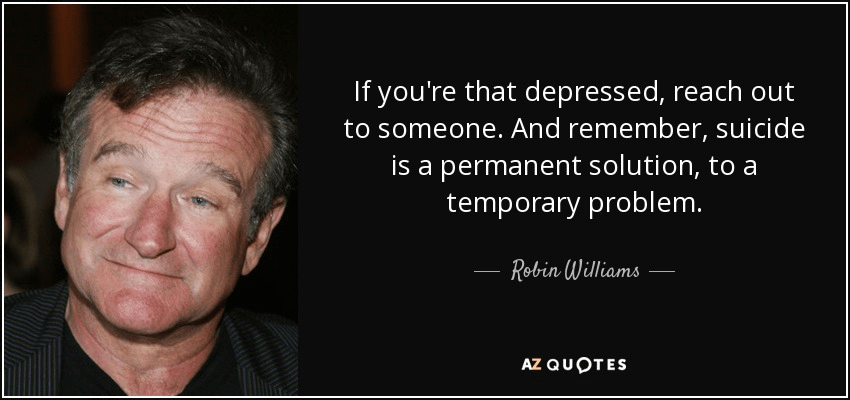
Take care of yourself out there, because no one else and being a man of faith, I encourage each to seek out spiritual guidance, talk to a priest, a pastor, a rabbi and whatever faith you may practice and if you don’t have a faith, find one that may align with your beliefs and values and go to it, there is help out there as the act of suicide is permanent solution to temporary problems, once said by the late, great Robin Williams.
Lastly which may sound funny, but parts of this post was written with the use of A.I. in some of the bullets. I say that as I explored the use of Microsoft Co-pilot and found it did create valid points, but everything within this post is mine, my thoughts, my opinions, beliefs and values.

 Joe Meyers Adventures
I’ve lived in the aftermath and it sucks for many years, it’s made worse if you have to have a closed casket. Bring light to the aftermath isn’t brought to light because don’t want to know, it’s to real and in their face. Also if they haven’t been trough a suicide, they don’t care. I sound jaded, and I am but I’ve been writing about mental illness and suicide for close to 20 years and those post get the least amount of likes or comments.
LikeLiked by 1 person
So true , your by far the only person who responds because you’ve lived it and through it. Sadly mental health and suicide is still ignored unless the person is directly or indirectly affected. Unfortunately those who struggle with mental illness are labeled sick but in my opinion it’s society who’s sick for ignoring those who reach out and need help. Also i remember a time being “nuts” was laughed at especially when people have breakdowns not a joke. I will continue to bring light as this is my form of therapy too.
LikeLiked by 1 person
I have Bipolar Disorder and I’m not ashamed at all. While trying to get my head around the illness, I didn’t talk much about it. The media will always show the opposite of reality because it makes money for them. I don’t watch or compare. We are all different, just like everyone else, we all can do somethings, and others can’t. It’s life. I write about mental health and mental illness often because the more people who read what is real will maybe change the stigma.
LikeLiked by 1 person
The media certainly knows how to twist in making those who struggle into someone incapable of living a productive life. That’s incredible that you continue to write about mental health so important to break the stigma .
LikeLiked by 1 person
I look back to my teen years, I had not heard the word gay, look at our society today. The stigma is not what it was. My friends that are gay can live out loud and they have a community. I share my stories and knowledge to help me and hope that they will touch someone else. The media paints a world that is bleak for people with mental illness and portrays that life is one perfect place.
LikeLiked by 1 person