
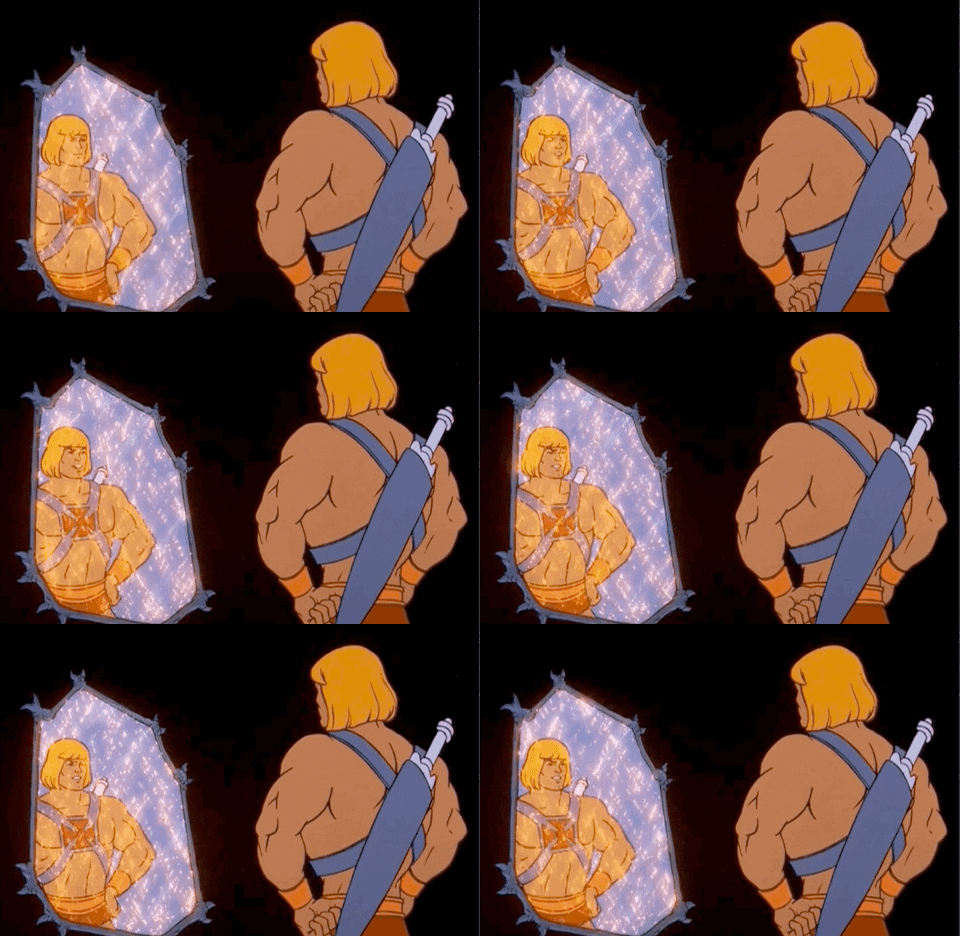
What Defines a “Real Man”?
At times, I find myself pondering what it truly means to be a real man and a genuine provider. Although I am a man by definition, I question whether I measure up to society’s expectations.
Today, cultural standards often dictate that a real man must be tall, strong, confident, and possess certain physical attributes. Throughout my life, I have struggled with my body image—growing up as the overweight kid, carrying extra weight, and never fitting the lean body type I have always desired.
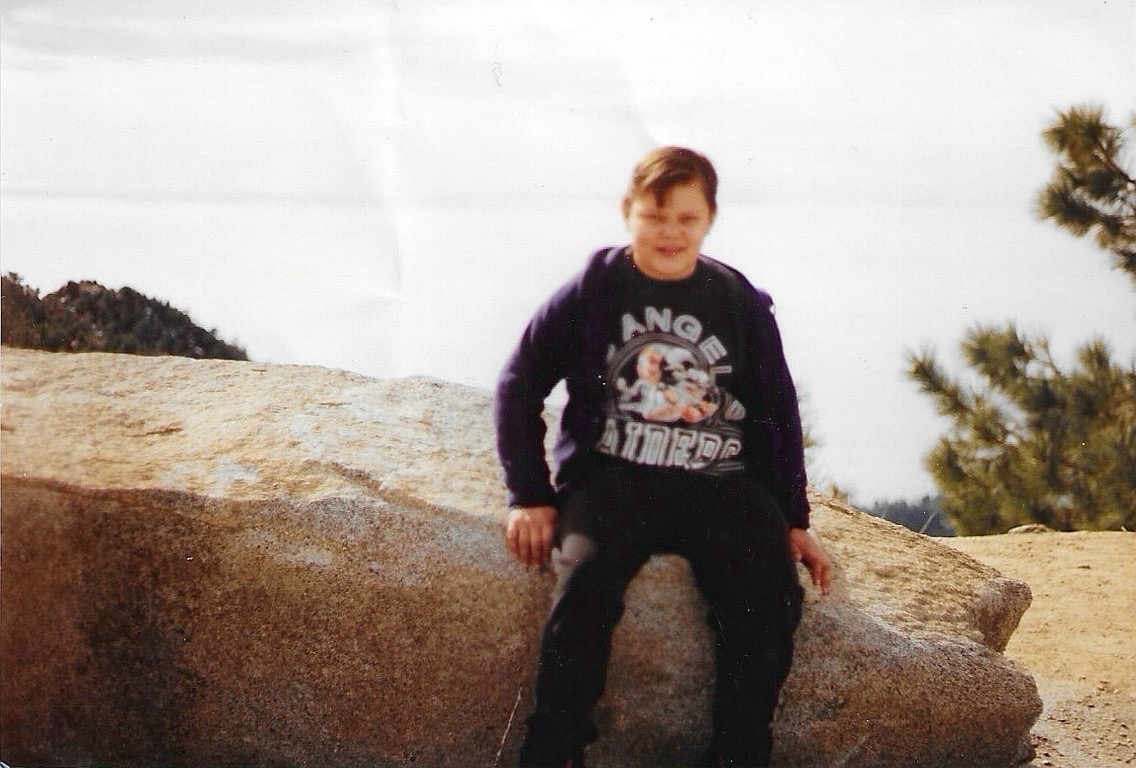
While genetics play a role—since my family tends to be heavier—there have been moments when I lost weight and felt more normal. Yet, the ideal still feels out of reach.
Society’s Expectations and Body Image
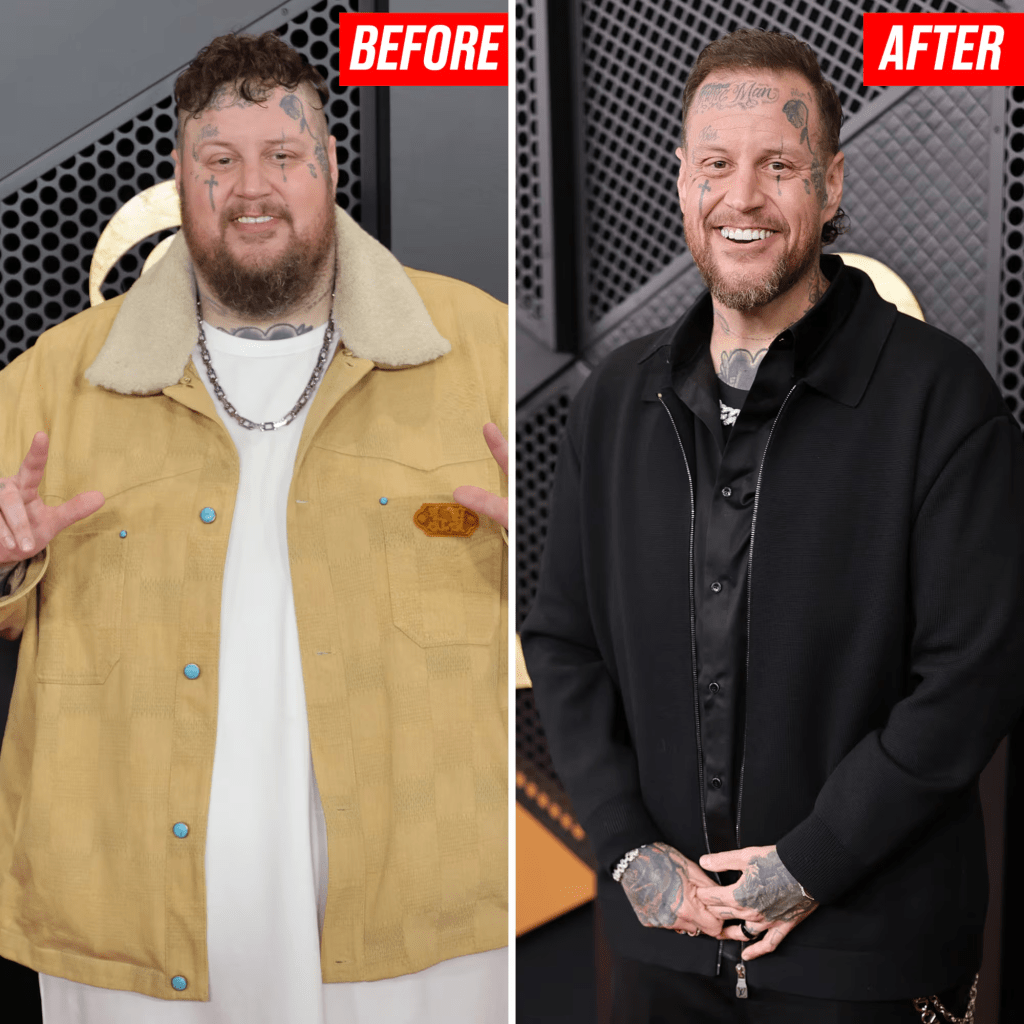
Modern American society now promotes body positivity, but there remains a strong undercurrent of value placed on appearance. Even as celebrities like Jelly Roll are applauded for significant weight loss, their access to resources makes their journeys different from the average person’s.
For some men, weight and appearance are less important, but for me, mental health and self-worth are closely tied to how I look. I feel more myself when I am slimmer, though stress and lack of time often prevent me from focusing on self-care. I am grateful that my wife and daughter do not share my struggles, likely due to their genetics, and I hope the cycle has ended with my daughter.
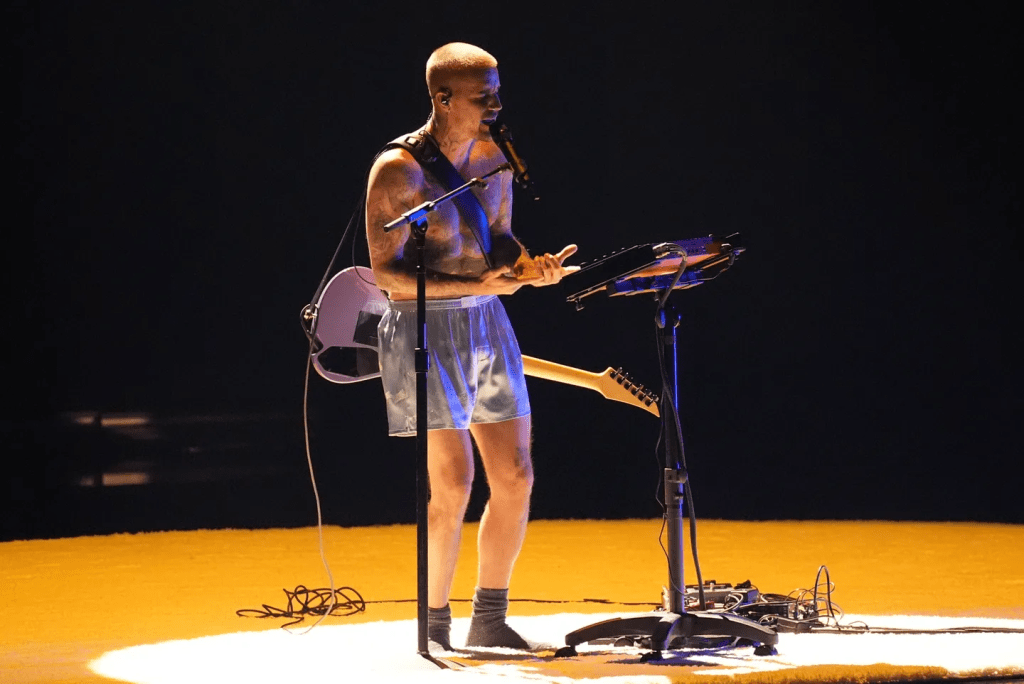
I guess there are certain images that have triggered this thought, specifically seeing images of Justin Bieber performance in his boxers, heavily tatted and the world swooned and although his junk wasn’t hanging out, one can say that a man in his boxers is not like wearing swim trunks, as his one degree to being naked with a simple tug. I get some may think I am exaggerating and maybe it’s a self-reflection that I don’t accept myself and maybe never will.
The Myth of Unconditional Acceptance
Society likes to declare that everyone is beautiful just as they are, but the reality is more complex. There are high standards for being seen as valuable, and while some people can ignore the world’s demands, many strive for perfection and acceptance. The pressure to fit in is real, and not everyone can escape its effects.
Masculinity and the Military Ideal
From a political perspective, the military is often held up as the epitome of masculinity. I regret not joining when I was younger, feeling I missed a chance to become a “real man” like my grandfather—a World War II veteran and a figure of toughness and kindness.
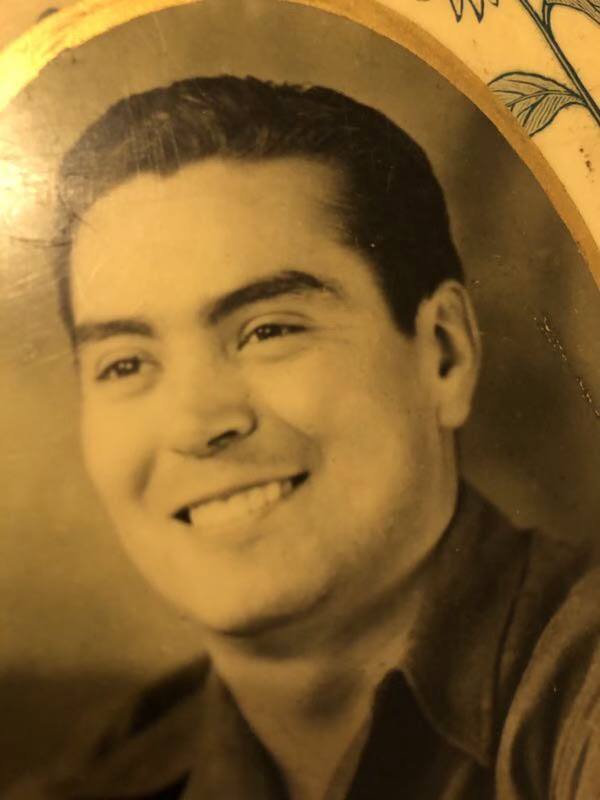
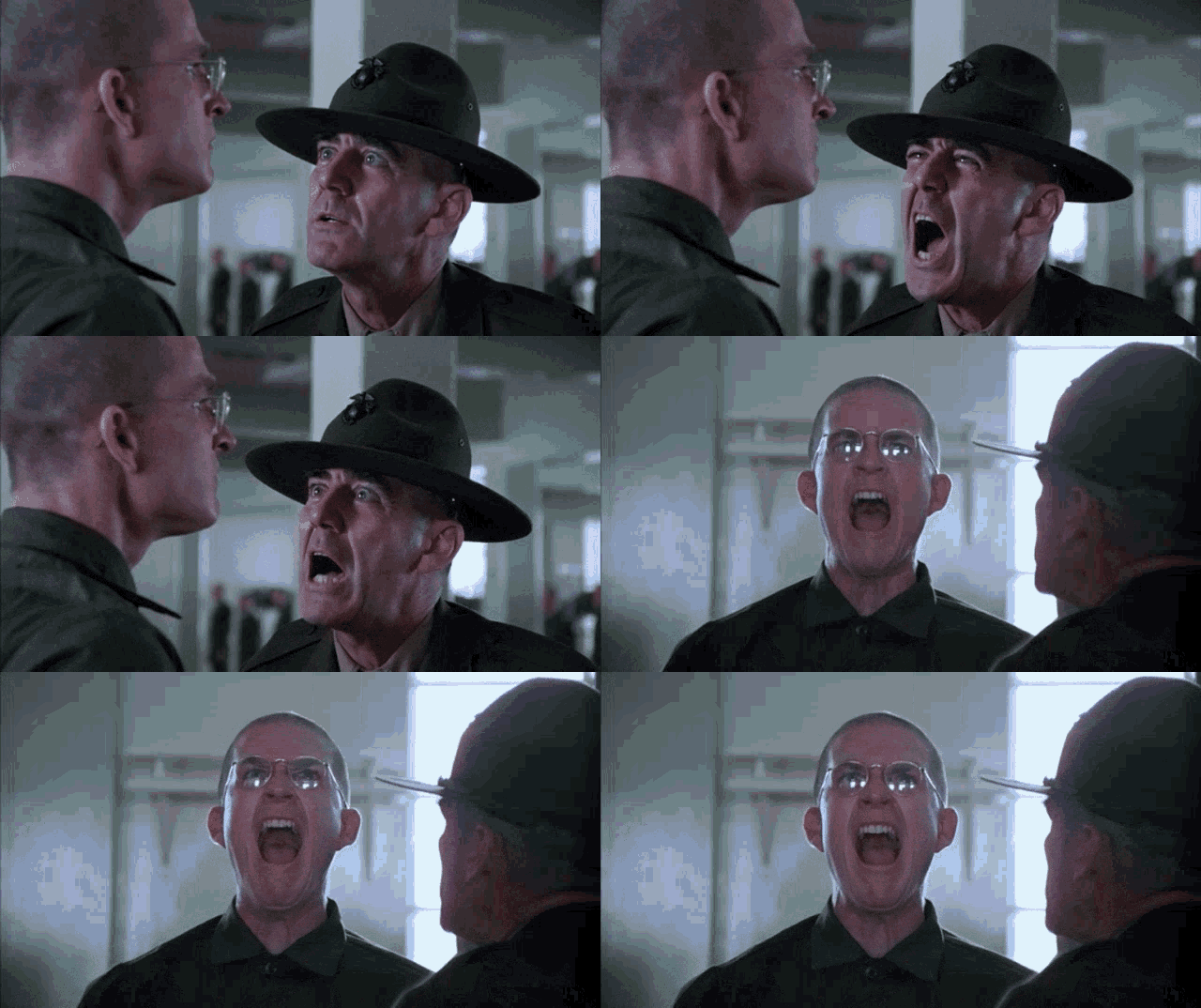
However, even he had his flaws, reminding me that no one is perfect. The military sets strict standards for fitness and grooming, reinforcing a narrow definition of masculinity. Leaders emphasize that being overweight or unkempt is unacceptable, and only the highest male standards are tolerated. These expectations extend to appearance and behavior, leaving little room for individual expression.
Socialization and the Construction of Masculinity
Sociology tells us that boys learn what it means to be masculine from an early age, absorbing messages from family, peers, media, and institutions. Over time, these lessons become ingrained beliefs about how men should act, think, and feel.
Society’s definition of a “real man” often includes being a protector, provider, and someone who sacrifices for others, remains emotionally strong, and takes risks for success. Missing from these standards are the values of emotional well-being, self-care, joy, safety, and vulnerability. As a result, a man’s worth is judged by his actions for others, not his intrinsic value as a person.
Back to today’s culture war on masculinity and from a sociological perspective as stated in Sociology Inc.
“The sociology of masculinity reveals that gender socialization begins almost immediately after birth. Boys receive messages about appropriate masculine behavior from parents, peers, media, educational institutions, and countless other sources.
These messages accumulate and solidify into internalized beliefs about how men should act, think, and feel. What makes this particularly fascinating from a sociological perspective is how thoroughly these constructed norms come to feel natural and inevitable.”
Today society see “Real men” as:
- He protects women and children.
- He provides financially for his family.
- He sacrifices his own comfort for others.
- He remains emotionally strong regardless of personal pain.
- He takes risks to achieve success.
Notably absent from these definitions are qualities like:
- He prioritizes his emotional health.
- He receives care and nurturing from others.
- He pursues activities that bring him joy, regardless of productivity.
- He values his own safety and well-being.
- He expresses vulnerability freely.
This imbalance suggests that a man’s value is predominantly external—measured by what he does for others rather than his intrinsic worth as a human being.
By many of standards that make a real man, many of these I have severely failed at and society doesn’t let me forget as real men are displayed each day to me as I go to work, drive to work, but there are sides to me who society would express as feminine like someone with high emotional health, not afraid to bare my feelings and not afraid to cry, which for many women this is a turn off and not masculine. By Societies definition many women wish to me manhandled and play a atypical bad boy, certainty not me.
We certainty have a long way to go and I doubt men who practice traditional masculinity will ever change, as personally I have lived and had men like that in my family, cruel men in fact.
Maybe I need to stop the doom strolling a little more and looking at who society deems as real men in society, I mean after all they are just men, humans like me, but in my eyes have an edge in society of going places, getting things in this life, I don’t have.
I wonder if I was to meet one of these real men what they would say to me, maybe they would tell me they don’t see themselves as real men, as they look too society to see other men to encompass those virtues, which would put us on the same playing field.
I guess I can just be me and stop worrying about what I can control. There are many men who take control, by having painful surgical procedures like Penis enlargement or leg lengthening surgery to make a man taller and so much more modern society can do to appear masculine but at the end of day they may be broken and those pursuits are fruitless.
We all need to think the damage that is being done today, as this personally affects me each day in some way, what can I do other than live, accept myself.
Personal Reflections on Masculinity
By these societal standards, I often feel I fall short. Each day, I am reminded of what “real men” are supposed to be, but there are aspects of myself—such as emotional openness and vulnerability—that do not fit the traditional mold.

These traits may be seen as feminine or undesirable by some, but they are a genuine part of who I am. I have known men who fit the traditional masculine ideal, and many of them were unkind.
Perhaps I need to stop comparing myself and focusing on who society deems as real men, remembering that they are just people, too. If I met one of these men, maybe he would admit to feeling inadequate as well, and we would realize that we are not so different.
Acceptance and Moving Forward
At the end of the day, all I can do is be myself and stop worrying about things beyond my control. Some men go to great lengths—undergoing surgeries or drastic measures—to fit the masculine ideal, but these pursuits often leave them feeling empty.
It’s important to recognize the harm caused by these societal pressures. For me, the best path forward is to live authentically and accept myself as I am.

 Joe Meyers Adventures
Live by what you think, turn out the noise of what we sound do or look like.
LikeLiked by 1 person
Agreed 🙂 definitely too much noise each day telling us who we should be, what we should look like.
LikeLike