When Reality Starts Echoing Dystopia
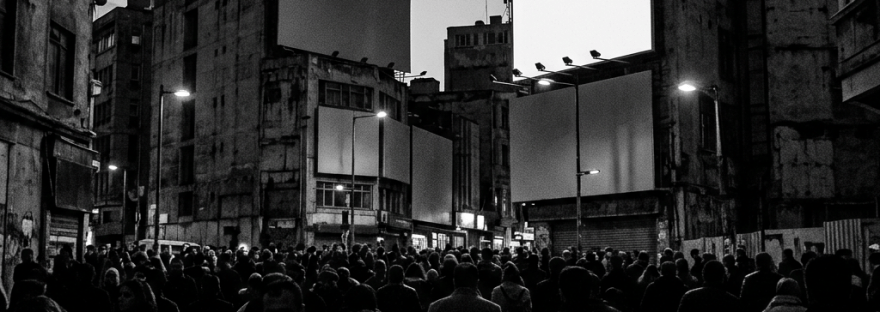
Life imitates art more often than we admit. Sometimes the parallels are so sharp they force me into a spiral — not because I’m imagining dystopia, but because I’m watching echoes of it unfold in real time. People move through the world with impunity, systems operate unchecked, and the slow erosion of rights happens quietly, almost politely, until one day you realize how much has already been taken.
Freedom on the Surface, Control Beneath It
We’re free to work, drive, raise families, and live our daily routines. But beneath that surface, control is always at play — subtle, incremental, and easy to ignore until it isn’t. Recent legal decisions in the United States have reminded me how fragile representation can be. Many people may not fully understand the long-term consequences, but changes to voting structures often affect who gets heard and who gets sidelined.
I’m not a politician. I’m not an expert. I’m a bystander like most people — but even bystanders feel the impact.
The Hypocrisy of Silence
Here’s the part that makes me a hypocrite: for most of my adult life, I never voted. I didn’t care. I assumed my voice meant nothing. I was wrong. But I also understand why so many people feel that way. Systems often reward popularity over substance. It’s high school all over again — the loudest, most visible, most familiar faces rise, while the quiet ones with real ideas fade into the background.
Invisible in a World That Rewards Visibility
That’s been the story of my life. I worked for degrees, certifications, experience — and none of it seemed to matter. I’m an introvert, someone who exists in the margins of other people’s lives. Easy to overlook. Easy to forget.
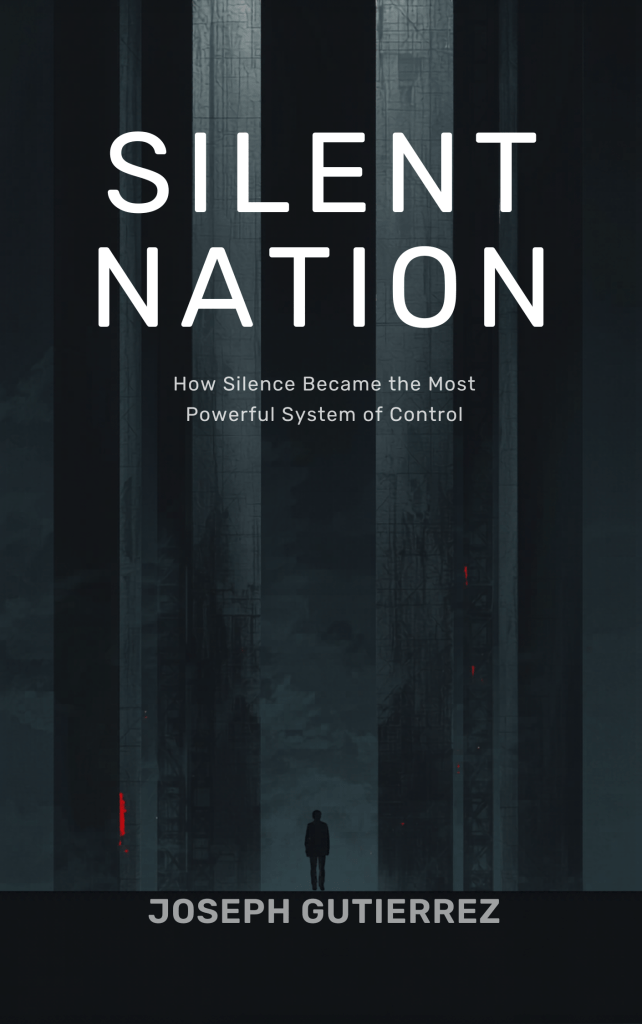
Maybe that’s why I wrote Silent Nation: How Silence Became the Most Powerful System of Control, coming September 8th. Silence isn’t just the absence of noise — it’s a tool. A strategy. A way to shape outcomes without ever raising a hand. And once you start noticing how silence is used, you can’t unsee it.
The Old Playbook Still Works
I follow writers and historians who study these patterns, including those who analyze how authoritarian systems rise and how societies sleepwalk into them. The playbook is old, but it still works. You’d think humanity would have learned from the darkest chapters of history, but we repeat them in new forms — sometimes through policy, sometimes through technology, sometimes through the quiet suffering of people who have no voice at all.
Even now, thousands of migrants are held in detention facilities, often without trial or representation. It’s a reminder that the lessons we claim to have learned are not always reflected in our actions.
Fiction That Doesn’t Feel Like Fiction Anymore
And then there’s fiction — the kind that feels less fictional every year. I’m watching The Handmaid’s Tale right now, and it’s hard to stomach because the world of Gilead doesn’t feel as distant as it should. The show asks a question that haunts me: how far can a society slide before people realize they’re living in a dystopia?
Writing Dystopia While Living in Its Shadow
I’ve spent years writing about dystopian worlds in The Pox, The Stricken, and my other novels. I’m no expert, but I understand the psychology of systems that silence people. I understand how control can be disguised as protection. I understand how fear can be used to shape behavior. And I understand how technology — surveillance, data tracking, algorithmic influence — can push us closer to an Orwellian reality without anyone noticing the shift.
We’re not living in 1984, but the trajectory is familiar enough to make anyone uneasy.
Awareness Is the First Line of Defense
I don’t write this to be an alarmist. I write it because awareness matters. Voice matters. Participation matters. Silence is powerful — but so is speaking, voting, questioning, and refusing to disappear into the background.
I spent too many years believing my voice didn’t matter. I won’t make that mistake again.
And if my fiction has taught me anything, it’s this: dystopias don’t arrive all at once. They arrive quietly, slowly, and with the cooperation of people who think their silence keeps them safe.
It never does.
For those interested in learning how much this stop stays close to home, pick up my new book September 8th, Silent Nation:

 Joe Meyers Adventures